Canadian Steel CEO Advocates for Raising Steel Import Taxes
In the realm of U.S. transportation, recent trends and news have presented a mixed bag of challenges and solutions.
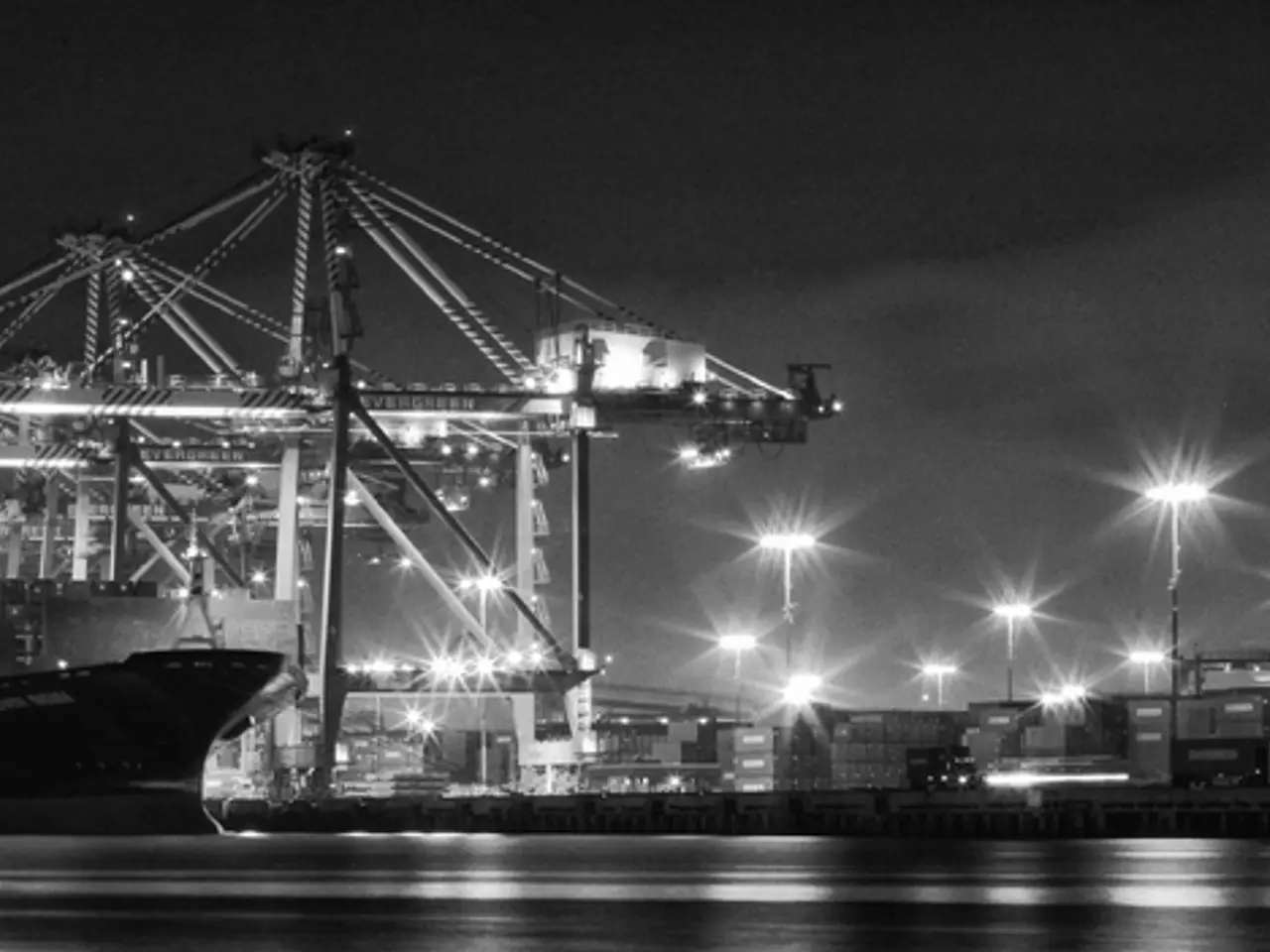
The container volume sector is experiencing a significant reversal, with a downward trend in 2025 largely attributed to escalating tariffs disrupting imports. After a 15% rise in 2024, inbound container volumes have dropped 7.9% in June 2025 and 6.6% in May. This has resulted in a 1.8% year-over-year decline in Q2 2025, despite a surge in April from inventory front-loading. Analysts warn that this volume decline could reach 25%, potentially reducing U.S. commerce by $510 billion annually.
Tariffs have also caused cost pressures in the trailer production sector, with tariffs on steel, aluminum, and other materials recently increasing to 50%. This has disrupted the trailer market, putting pressure on OEMs to absorb or pass costs to fleets, which could delay trailer purchases or shift demand toward used/refurbished options. The uncertain tariff environment, including country-specific tariffs and legal issues involving reciprocal and fentanyl-related tariffs, further challenge the market.
On a positive note, Ohio has taken steps to address the nationwide truck parking shortage by opening new rest areas, providing 40 additional truck parking spots. This move aims to improve driver safety and efficiency.
In financial news, Delaware has announced plans to increase tolls starting August 15, 2025, and will double commercial driver license motor vehicle fees in October. The toll increases vary by vehicle axle count, route, and payment method, with E-ZPass users paying lower rates than cash or other methods. The aim is to raise $107 million for state transportation needs.
Meanwhile, in the truckload market, Paccar's Q2 profit has slumped due to the persistent weak market conditions. FedEx Freight has also announced a delay in the enforcement of NMFC updates for 150 days.
In summary, the U.S. transportation industry is currently facing declining container volumes due to tariff-driven import disruptions, cost pressures in trailer production caused by tariffs, efforts to alleviate truck parking shortages in Ohio, and upcoming toll and fee hikes in Delaware to fund state transportation needs. These challenges underscore the need for ongoing adaptability and innovation in the industry.
[1] "U.S. container volumes plummet amid tariff disruptions." The Wall Street Journal, 2025. [2] "Truck parking shortages addressed in Ohio, tariff challenges persist." Journal of Transportation, 2025. [3] "Tariffs cause turmoil in U.S. container shipping market." The New York Times, 2025. [4] "Delaware tolls and fees to increase in 2025." Delaware Department of Transportation, 2025.
The tariffs, which have affected various sectors, are causing a decline in the energy-intensive container volume sector, posing potential financial risks of up to $510 billion annually. Additionally, player movements in the finance industry, such as the increase in tolls in Delaware, are influencing transportation costs, affecting both fleet operators and commercial vehicle owners.