
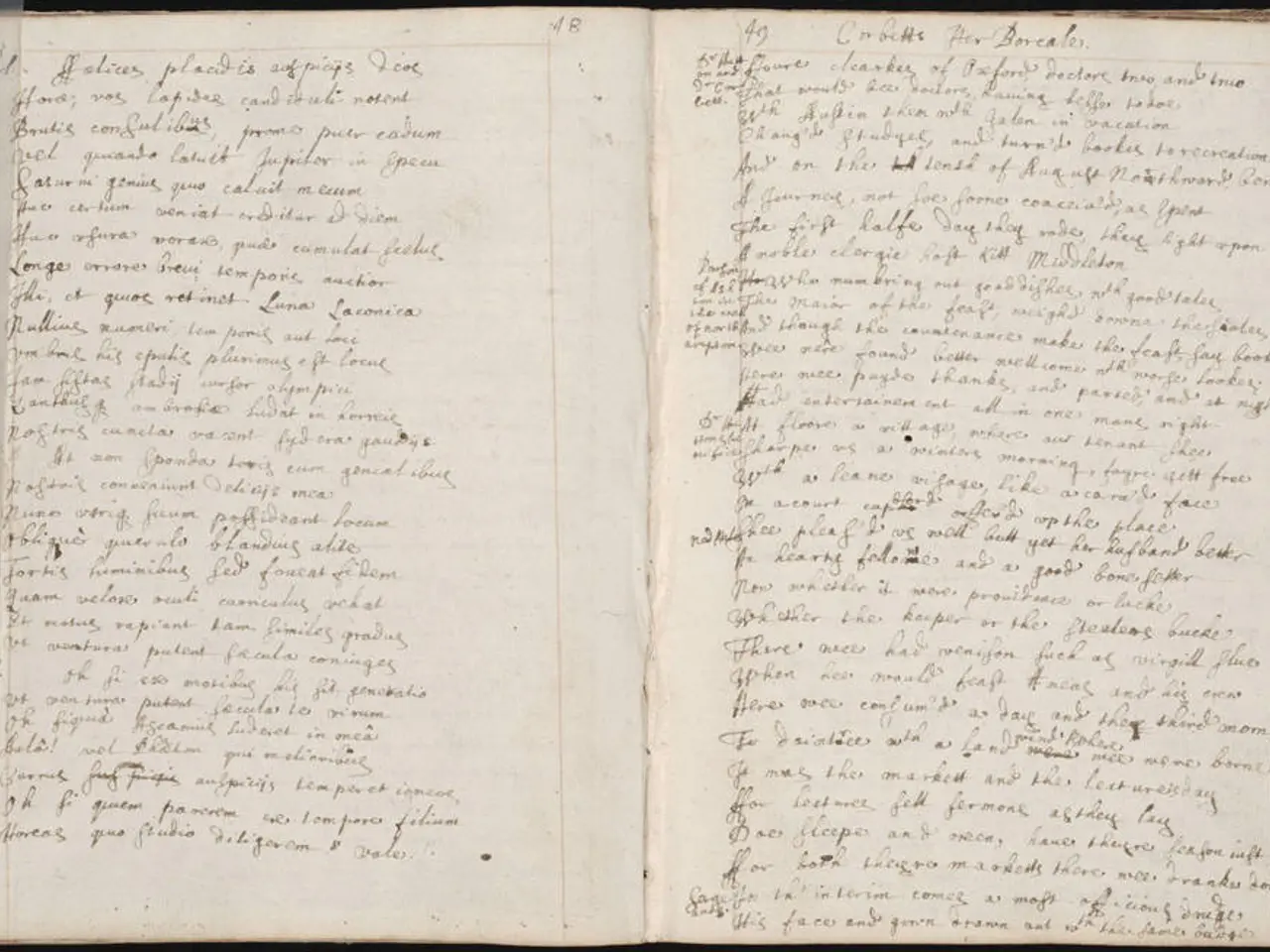
Guide on Crafting Your Personal Narrative
In today's fast-paced world, it's easy to overlook the long-term value of our personal stories and experiences. However, these narratives can significantly contribute to our posthumous memory and provide valuable insights for future generations. Here are five effective methods to preserve your life story.
1. **Memoir Writing**
Writing your life story can be a deeply personal and rewarding experience. Plan your story by outlining key events, emotions, and characters from your life. Consider using a chronological structure or a thematic approach to organize your narrative. Remember to be authentic and honest, sharing your experiences and emotions candidly. Incorporate vivid details and descriptive language to immerse readers in your world and evoke empathy and understanding.
2. **Digital Scrapbooking and Archives**
Digitizing personal items like photographs, letters, and other memorabilia makes them easier to search and preserve. Use descriptive tags and captions to contextualize each item, helping future generations understand the significance and context of your belongings.
3. **Guided Storytelling Tools**
Services like Storii or Your Story offer guided prompts and tools to help you build a coherent and engaging narrative. These platforms can also help you record your stories in audio or video formats. Incorporate photos to bring your memories to life and enhance the storytelling experience.
4. **Family Conversations and Interviews**
Engage with family members in conversations about hobbies or significant life events to record family stories. This approach can help bridge generational gaps and strengthen family bonds. Explore hobbies and interests as a natural way to uncover personal values and experiences.
5. **Physical Keepsakes**
Compile your stories into a professionally bound book, which can be a meaningful keepsake for your family. Regularly update your stories to ensure they remain relevant and engaging for future generations.
By combining these methods, you can ensure that your life story is preserved effectively and remains accessible and meaningful for generations to come. Remember, your story should not be a nomination for sainthood, but should not confess all sins. Instead, it should reflect your authentic experiences and emotions, providing a glimpse into your unique life journey.
Start by asking yourself questions about what you'd like people to remember, what you've learned, and the most surprising things that have happened to you. Begin preserving your life story today, for the benefit of future generations.
- Personal-finance management can also play a significant role in preserving life stories, as the allocation of resources may impact the extent and quality of story preservation methods one chooses, such as hiring professional services or acquiring expensive equipment for digital scrapbooking or video recording.
- To solidify your legacy, consider integrating financial planning within your life story preservation strategies. By allocating funds for purchasing necessary tools, hiring services, or establishing a fund for maintaining and updating your life story, your personal-finance management contributes to the long-term sustainability and accessibility of your stories for future generations.