
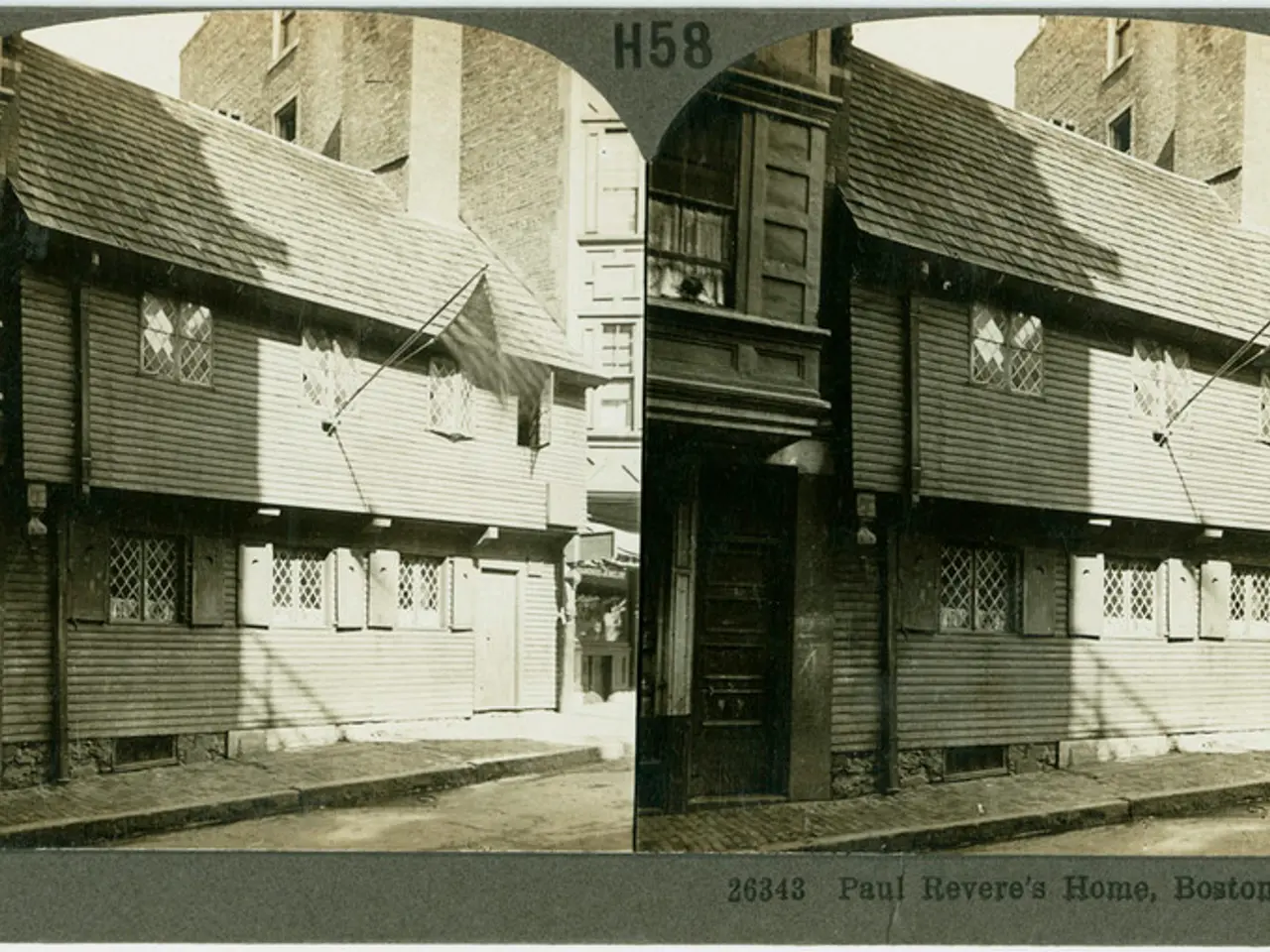
Historic Landmarks Classification: Properties with Significant Historical Value
Finding Source Documents for CUI Authorities Related to Historic Preservation
In the realm of Controlled Unclassified Information (CUI), three specific authorities play a crucial role in the safeguarding and management of historic properties: 54 USC 307103, 36 CFR 60.6(x), and 36 CFR 800.11(c). Understanding the source documents for these CUI Authorities is essential for anyone involved in historic preservation and cultural resource protection.
54 USC 307103
This section of the United States Code is the statutory authority for historic preservation. To locate source documents related to this CUI Authority, start by exploring federal laws, particularly the National Historic Preservation Act amendments, as well as official federal registers and listings maintained by the National Park Service (NPS).
36 CFR 60.6(x)
Part of the Code of Federal Regulations implementing the National Register of Historic Places program, section 60.6 deals with documentation standards. Subsection (x) will provide specific requirements for source documentation and recordkeeping. To find these documents, access guidance manuals, official NPS bulletins or directives, and National Register nomination forms and supporting documentation.
36 CFR 800.11(c)
This regulation is part of the Section 106 review process under the National Historic Preservation Act. It outlines requirements for documentation of historic properties affected by federal undertakings. Source documents include Programmatic Agreements, Memoranda of Agreement, and consultation documents among agencies, tribal governments, and SHPO/THPOs (State and Tribal Historic Preservation Officers).
How to find the source documents:
- Federal Register and NPS Resources: The National Park Service website and the Federal Register publish official documents, guidance, and updates related to historic preservation law and regulations.
- Code of Federal Regulations (CFR): Access current versions of 36 CFR parts 60 and 800 on the Electronic Code of Federal Regulations (e-CFR) website to understand the exact legal language and references to source documents.
- National Archives and Records Administration (NARA): NARA holds official federal records and documentation, including nominations to the National Register, consultation records for Section 106 compliance, and other historic preservation documentation.
- State Historic Preservation Offices (SHPO) and Tribal Historic Preservation Offices (THPO): They maintain records and source documents related to historic properties within their jurisdictions, including Section 106 documentation and National Register nominations.
- Direct Requests or FOIA: If the documents are Controlled Unclassified Information with Special Handling (CUI//SP-HISTP), they may not be publicly available and might require a formal request through Freedom of Information Act (FOIA) or agency-specific data access procedures.
Summary Table:
| Reference | What It Covers | Where to Find Source Documents | |-------------------|--------------------------------------------------|-----------------------------------------------------| | 54 USC 307103 | Historic preservation statutory authority | U.S. Code, National Park Service, Federal Register | | 36 CFR 60.6(x) | National Register documentation standards | e-CFR, NPS bulletins, National Register archives | | 36 CFR 800.11(c) | Section 106 documentation requirements | e-CFR, NARA, SHPO/THPO records, Programmatic Agreements |
If you need specific source documents (e.g., nomination forms, consultation reports), contacting the National Park Service or the relevant SHPO/THPO is typically required, as these agencies curate and maintain authoritative historic preservation records. Keep in mind that these CUI Authorities have sanctions associated with them, although the specifics were not detailed in this discussion. Additionally, the topic at hand is related to the location, character, or ownership of historic properties, as indicated by the HISTP category marking.
*To find source documents related to the finance and business aspects of historic preservation, consult the National Park Service (NPS) or the relevant State Historic Preservation Offices (SHPO) and Tribal Historic Preservation Offices (THPO) for records and source documents related to historic properties and Section 106 documentation, such as Programmatic Agreements and consultation documents.
*Investigating the industry of historic preservation, it is essential to understand the source documents for federal regulations like 36 CFR 60.6(x), which detail documentation standards and requirements for source documentation and recordkeeping. These documents can be accessed via the guidance manuals, official NPS bulletins or directives, and National Register nomination forms and supporting documentation.