Transportation adjustments on the horizon as SEPTA passengers face potential disruption to familiar transit lines
In the heart of Philadelphia, community members are voicing their concerns about potential service cuts to the Southeastern Pennsylvania Transportation Authority (SEPTA) as budget negotiations continue in the state capital. The looming "fiscal cliff" poses a significant threat to SEPTA's financial stability, according to SEPTA spokesperson Andrew Busch.
The concern was sparked by community discussions with the website's News reporters during a pop-up newsroom event at City Hall. As a response, SEPTA is distributing 3,000 schedules to bus stops, outlining the proposed service cuts and fare increases due to a lack of state funding.
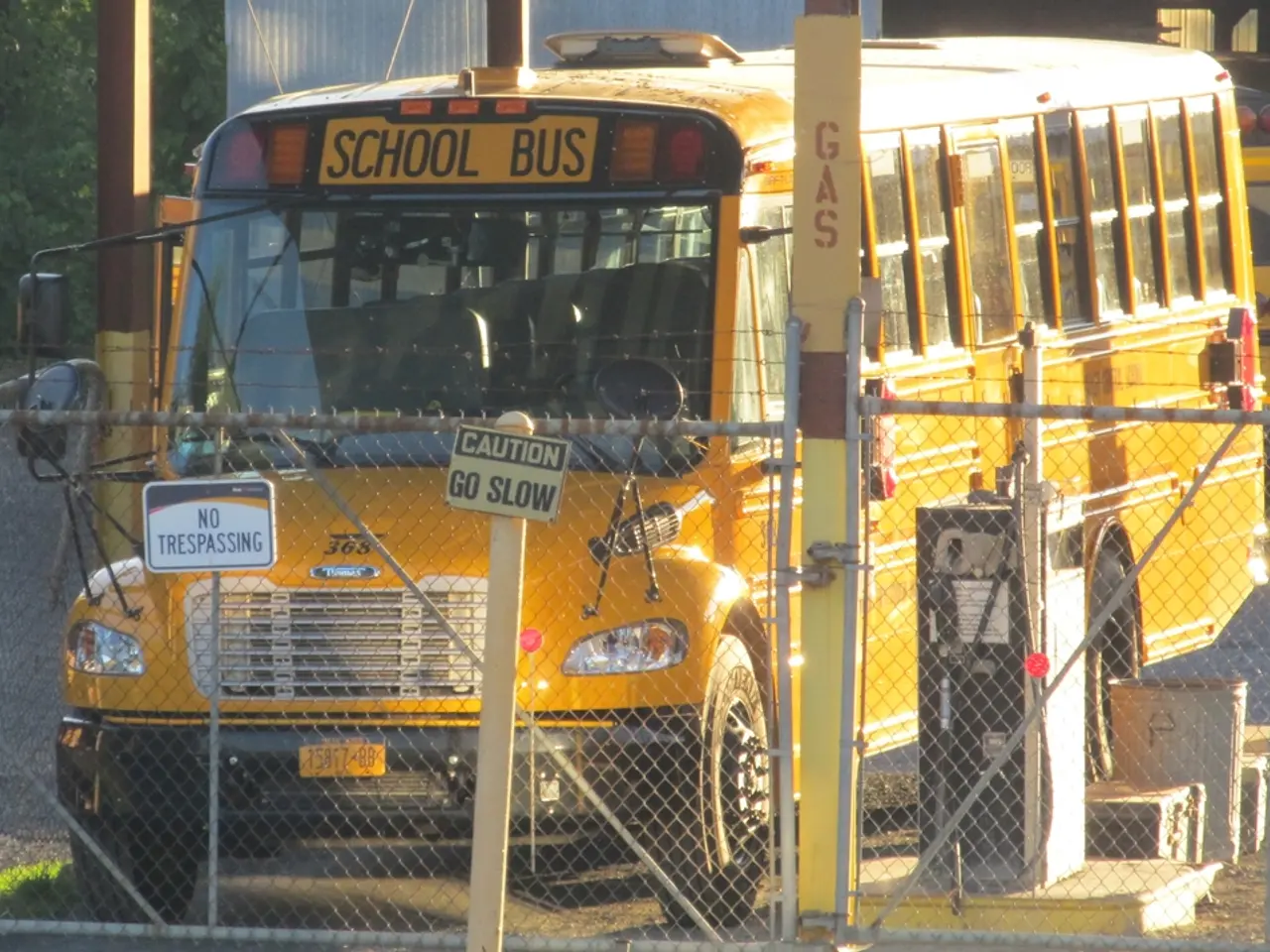
The proposed cuts would nearly eliminate half of all SEPTA service, including the end of three dozen bus lines, and would also eliminate five Regional Rail lines and cut all rail service at 9:00 p.m. starting January 1. Residents like Janice Tosto, a resident of Germantown, are particularly concerned about the loss of service on the K line and Chestnut Hill West Regional Rail.
Tosto, along with elected leaders from around the Philadelphia region, has gone to Harrisburg to ask for more money for SEPTA. However, the budget bill has gone through the House, and there is still work to be done as it goes to the Senate.
SEPTA officials continue to lobby for a permanent funding source, with proposals such as adopting land value tax reform, establishing a dedicated, recurring funding source, state-level transit funding plans, and leveraging economic activity generated by SEPTA throughout Pennsylvania.
Lance Haver, a longtime consumer activist, has called on SEPTA to be more aggressive and use the money it has to keep all service running until it has to shut down the system completely. Despite these efforts, SEPTA faces a $213 million budget deficit for fiscal year 2026, and without new state funding, it may be forced to cut service by up to 45% and raise fares over 20% to balance its budget.
The website is a nonprofit organization that relies on financial support from readers. It is hoped that with community support and political agreement, a sustainable, recurring funding source can be secured to avoid service cuts and maintain essential transit services across Pennsylvania.
The concerned community members are considering the potential impact of SEPTA's financial instability on the industry, as the proposed cuts could significantly affect transportation services. In an attempt to prevent such outcomes, various proposals, such as tax reform or state-level transit funding plans, are being advocated for as potential permanent funding sources.